Choosing the best carbide saw blade hardness is not a simple contest between “harder” and “better.” Cutting performance depends on the material being sawn, tooth geometry, feed pressure, blade speed, and the shock created during each cut. A blade cutting laminated panels faces different stresses from one cutting stainless steel, hardwood, or abrasive composite board.
Dr. George E. Dieter, a respected materials-engineering authority, described hardness as “a material’s resistance to plastic deformation.” That definition is useful, but incomplete for saw blades. A very hard carbide grade can resist wear impressively. However, it may chip when the blade meets knots, vibration, interrupted cuts, or hidden metal. A slightly tougher grade may produce longer service life in difficult conditions, even when its wear resistance is lower.
This is where Hardness Carbide Saw Blade selection becomes practical rather than theoretical. Manufacturers usually balance carbide hardness with cobalt content and fracture toughness. Higher hardness often suits clean, continuous cutting of abrasive materials. Tougher carbide may perform better when impact, vibration, or rough handling is unavoidable.
There is no universal number.
The right choice begins with the job. Consider the workpiece, cutting speed, feed rate, tooth design, and expected production volume. Then compare hardness ratings under the same testing standard, because values can appear misleading across different systems.
A small weakness remains in many buying guides: they treat hardness as the entire answer. It is not. Field experience, accurate machine setup, and honest observation of chipped teeth often reveal more than a specification sheet. That uncomfortable detail deserves attention before selecting a Hardness Carbide Saw Blade.
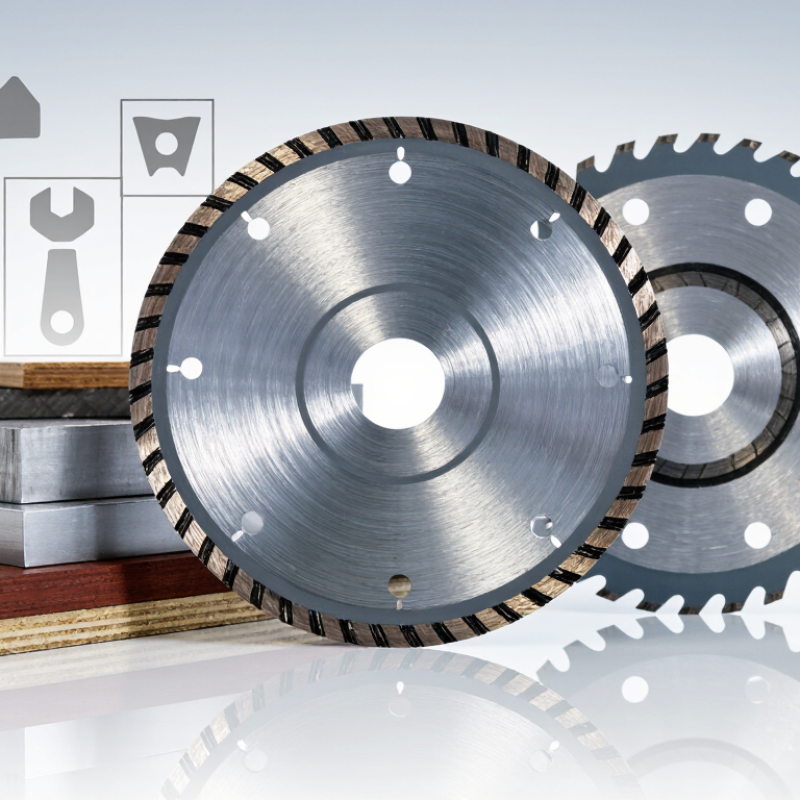
Carbide saw blade hardness is not a universal maximum. It is a balance between wear resistance, toughness, and cutting stability. ISO 3878 and ASTM B294 testing guidance commonly place saw-grade cemented carbides near 1,400–1,800 HV30. Higher hardness usually improves edge retention when cutting abrasive materials, such as laminated panels, mineral-filled boards, or hardened composites. However, excessive hardness can make the teeth brittle. A small impact, knot, or interrupted cut may cause chipping.
The best hardness depends on the workpiece and machine setup. For clean, continuous cuts in abrasive stock, a harder grade may reduce edge rounding and extend service life. For solid wood with knots, recycled material, or unstable feeding, a slightly tougher grade is often safer. Published cemented-carbide property tables show that increasing binder content generally lowers hardness but improves fracture resistance. That trade-off matters more than a single hardness number. It is easy to overvalue hardness.
A practical comparison should record cutting length, edge wear, tooth damage, feed pressure, and surface quality. Test two grades under identical conditions. Even a 100 HV difference may be meaningless if vibration dominates the cut. ISO 513 also emphasizes selecting cutting materials according to the application, not hardness alone. The honest answer is less convenient: the hardest carbide is rarely the best carbide.
Carbide Saw Blade Hardness: What It Means for Cutting Performance
| Cutting Application | Typical Carbide Hardness Range | Recommended Carbide Character | Why It Works | Main Trade-Off |
|---|---|---|---|---|
| Softwood and general-purpose wood | 1,500–1,700 HV30 | Balanced hardness and toughness | Provides adequate edge retention while tolerating knots, interrupted cuts, and occasional impacts. | A very hard grade may chip when the blade encounters nails, knots, or sudden feed changes. |
| Hardwood and crosscutting | 1,600–1,800 HV30 | Medium-high hardness | Improves resistance to edge rounding during repeated cuts in dense wood fibers. | Higher hardness generally reduces fracture resistance, especially with a thin or fine cutting edge. |
| MDF, particleboard, plywood, and other abrasive panels | 1,700–1,900 HV30 | High wear resistance | Resists the abrasive effect of mineral fillers, adhesives, and recycled wood particles. | Requires accurate blade setup because a high-hardness tip can be less forgiving of impact or vibration. |
| Melamine-coated panels and laminates | 1,700–1,900 HV30 | Hard, fine-edged grade | Helps preserve a sharp cutting edge for clean surface cuts and reduced chipping. | Hardness alone cannot prevent breakout; tooth geometry, scoring, feed rate, and blade alignment are also critical. |
| Aluminum and other non-ferrous metals | 1,400–1,700 HV30 | Tougher carbide with suitable geometry | A tougher substrate helps withstand built-up edge, interrupted cuts, and the relatively ductile behavior of aluminum. | Excessive hardness without adequate toughness can cause tip fracture; correct rake angle and lubrication are important. |
| Thin-wall steel and light structural steel | 1,300–1,600 HV30 | Tough, impact-resistant grade | Prioritizes resistance to chipping during interrupted engagement and the higher cutting forces of ferrous materials. | Lower hardness may wear faster than a harder grade, particularly when cutting abrasive scale or contaminated stock. |
| Highly abrasive materials or long production runs | 1,750–1,900 HV30 | Maximum practical wear resistance | Slows abrasive wear and helps maintain dimensional accuracy over a longer cutting cycle. | Best suited to stable machines and controlled feeds; impact, misalignment, or vibration can cause premature chipping. |
How to interpret the data: HV30 refers to Vickers hardness measured with a 30 kgf test load. The ranges are indicative for cemented-carbide saw-tip grades; exact values vary with tungsten-carbide grain size, cobalt content, binder composition, and manufacturing process.
Practical rule: Choose the hardest carbide that the cutting conditions can safely support. Harder carbide usually improves wear resistance, while tougher, slightly softer carbide is safer for impacts, interrupted cuts, vibration, and difficult workpieces.
No. The best hardness matches the material, feed rate, and impact level. Harder carbide resists abrasion but may chip during vibration or interrupted cuts. Maximum hardness is not automatically maximum blade life.
Abrasive wood, laminates, and non-ferrous alloys often benefit from harder carbide. These materials can round cutting edges quickly. A slightly harder grade may maintain a sharper edge longer.
Tougher carbide helps with knots, weld seams, vibration, and interrupted cuts. It tolerates sudden impact better. It may wear sooner, though. That trade-off is easy to underestimate.
Typical hardness is about 1,500–2,000 HV30. Transverse rupture strength may range from 1,000 to 3,000 MPa. Cobalt content and grain size influence these values.
Smooth edge wear may indicate insufficient hardness or abrasive cutting. Chipped teeth can indicate excessive hardness, poor support, or excessive feed pressure. Look closely. The edge tells a useful story.
Check spindle stability, feed pressure, coolant flow, and blade alignment. An unstable saw can damage even a well-selected blade. The blade may not be the real problem.
Use a short cut with moderate feed pressure. Watch for rounded edges, chipped teeth, heat, and rough kerfs. Record speed, feed rate, material batch, and tooth condition.
Compare several cuts, not one lucky pass. A single clean cut can mislead you. Review wear patterns and cutting speed together.
Try a tougher grade, lower the feed pressure, or improve machine support. Check alignment and vibration as well. I would not blame the blade too quickly.
Yes. Different thicknesses create different cutting stresses. Thin stock can punish a rigid setup in unexpected ways. Recheck the choice after changing thickness.
Choosing the best Hardness Carbide Saw Blade depends on the material being cut, the desired finish, and the balance between durability and impact resistance. Carbide hardness directly affects cutting performance: harder carbide can maintain a sharp edge longer when cutting abrasive materials, while slightly softer carbide may better withstand shock, vibration, and interrupted cuts. For wood, a moderate to high hardness is often suitable for clean, efficient cutting. Metal cutting usually requires a carefully matched grade that resists wear without becoming too brittle, while composites may need a harder edge to handle abrasive fibers and layered structures.
Selecting the right hardness involves more than choosing the hardest option available. Consider the material’s density, abrasiveness, moisture, thickness, cutting speed, and machine stability. A properly balanced blade combines hardness, toughness, and tooth design to improve blade life and cutting consistency. Testing the blade under actual working conditions and monitoring edge wear, chipping, heat, and surface quality can help identify the most effective hardness for each application.