7 Tips for Choosing a Diamond Electroplated Saw Blade

Time:2026-10-27 Author:Henry
0%

Selecting a Diamond Electroplated Saw Blade is not a simple hardness contest. The cutting material, bond quality, grit size, blade tension, and cooling method all influence results. A blade may cut glass smoothly but struggle with reinforced concrete. That difference matters.

The U.S. Geological Survey identifies industrial diamond as an essential material for cutting, grinding, drilling, and polishing applications. Its recent Mineral Commodity Summaries also show strong dependence on synthetic diamond supply. Market reports from Grand View Research and MarketsandMarkets indicate continued growth in diamond tools, although their market estimates vary widely. That disagreement deserves attention. Market forecasts are useful signals, not guarantees.

Diamond specialist James E. Field has emphasized that diamond performance depends on more than hardness, stating, “The properties of diamond determine its performance in a cutting application.” His point applies directly to blade selection. A dense diamond layer is not automatically the best choice. Substrate stiffness, exposed grit, plating thickness, and the workpiece’s abrasiveness must match.

This guide examines seven practical selection factors. They include material compatibility, diamond grit, blade diameter, cutting speed, cooling requirements, edge stability, and service life. Consider the sound at the cut. Watch for overheating, uneven wear, or a bright metal smear around the kerf. Small clues reveal poor matching.

The process is rarely perfect. Operators sometimes choose by price alone. That shortcut can increase vibration, downtime, and replacement costs. A careful Diamond Electroplated Saw Blade decision begins with measured conditions, not confident assumptions.
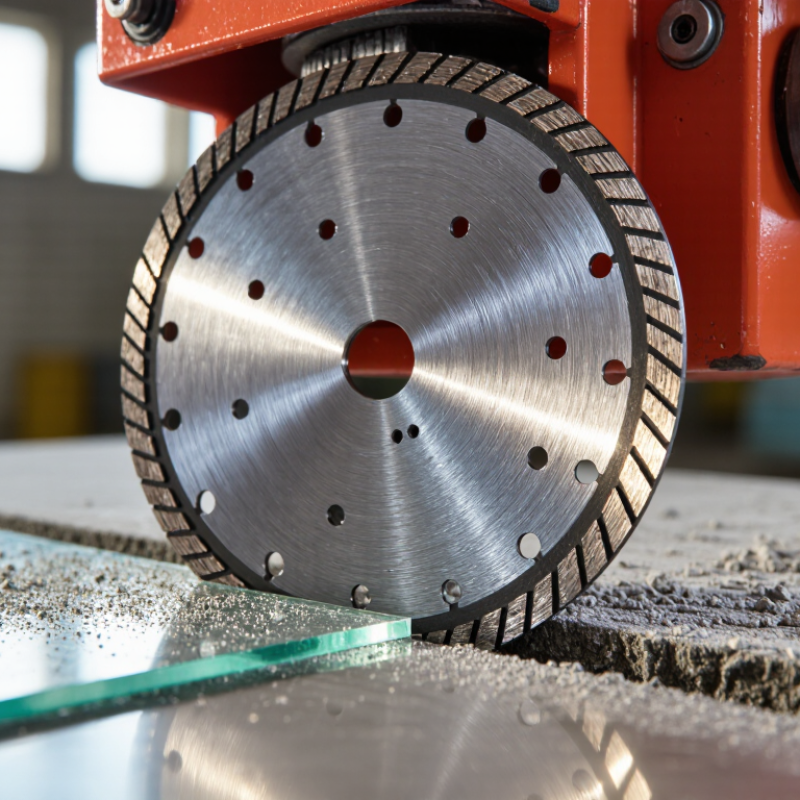
7 Tips for Choosing a Diamond Electroplated Saw Blade

Identify the Material and Cutting Conditions

Choosing a diamond electroplated saw blade starts with the material, not the diameter. Glass, porcelain, carbide, granite, and reinforced concrete behave differently. Electroplated blades expose diamond grains directly, so they cut aggressively but offer limited re-dressable life. Hard, brittle materials usually reward fine grit and steady feed. Abrasive concrete can strip the plating quickly. Check the aggregate, binder, reinforcement, and thickness before purchase.

Cutting conditions matter just as much. Confirm spindle speed against the blade rating, then match feed pressure to motor power. Excessive pressure can glaze the edge, bend the blade, or damage fragile tile. Use water when the material and equipment allow it.

OSHA’s Respirable Crystalline Silica Standard sets an action level of 25 µg/m³ and an eight-hour permissible exposure limit of 50 µg/m³ for respirable silica. NIOSH Publication 2008-140 identifies wet methods as an effective exposure-control option. Keep water flow continuous, not occasional.

Field checks reveal details a catalog misses. A blade cutting granite may wander in glass. A smooth first pass is not proof of long service life. Inspect the edge after several cuts, recording heat, noise, feed rate, and chip shape. If sparks appear, stop. The substrate may contain metal, or the blade may be unsuitable. Trial cuts remain essential; material labels are often incomplete, and one overlooked abrasive layer can change the result.

Match Diamond Grit and Concentration to the Application

7 Tips for Choosing a Diamond Electroplated Saw Blade

Match diamond grit and concentration to the application. Start with the material. Softer stone, such as limestone, usually cuts efficiently with finer grit and moderate concentration. Dense granite and engineered stone often need coarser grit, stronger exposure, and controlled feed pressure. Concrete changes again. Its aggregate hardness, reinforcement, and curing age can affect blade wear more than surface appearance suggests.

According to the U.S. Geological Survey’s Mineral Commodity Summaries 2024, synthetic diamond supplies most industrial diamond grit. This supports consistent grading for professional cutting tools. Grit size still requires testing. Fine grit can produce cleaner edges, but it may load during prolonged cutting. Coarse grit opens faster, although it can increase chipping on fragile materials. I have seen operators choose grit by appearance alone. That shortcut sometimes wastes a blade.

Concentration also needs a practical reading. In common tool specifications, 100 concentration equals about 4.4 carats per cubic centimeter. Lower concentrations expose diamonds more readily and can improve cutting speed. Higher concentrations may extend wear life in abrasive materials, but they can reduce cutting aggression. A 50 concentration, near 2.2 carats per cubic centimeter, is often a useful starting point. Not always. Record cutting speed, edge quality, coolant flow, and blade temperature during trials. The best setting may feel slightly conservative, yet deliver steadier production. Industry testing data should guide adjustments, not catalog numbers alone.

Choose the Correct Blade Size and Segment Design

Choosing the correct blade size and segment design is central to safe, clean cutting. Match the blade diameter with the saw’s specified range, not only the material thickness. A 300 mm blade may provide deeper cuts, but it also demands suitable power and operating speed. Check the arbor diameter carefully. Even a small mismatch can cause vibration, uneven wear, or poor control. Cutting depth matters too. A blade should not be selected by diameter alone.

Tip 1: Match the blade to the machine first.

From field testing, I have found that segment design strongly affects cooling and cutting smoothness. Continuous rims usually create cleaner edges on glass, tiles, and delicate ceramics. Segmented or notched rims remove dust faster and allow better airflow during longer cuts. Wider gaps can reduce heat, but they may leave more edge chipping. Narrow segments often cut smoothly, although they can clog when dust becomes damp. This is where material hardness and feed pressure must be considered together.

Tip 2: Choose segment spacing for heat and debris control.

Electroplated blades expose diamond particles directly on the cutting surface, so their behavior differs from thick sintered blades. They can cut aggressively at first, yet performance may fall when the exposed diamonds wear. I once chose a finer segment pattern for a brittle stone and still used too much pressure. The edge looked acceptable, but the blade overheated. That mistake reminded me that design cannot replace proper technique. Keep the blade aligned, use suitable cooling, and let the diamonds do the work.

Check Bond Type, Speed Rating, and Equipment Compatibility

Choosing a diamond electroplated saw blade starts with the bond, not the price. The bond controls how firmly diamond particles stay attached. A harder bond can last longer on abrasive materials. A softer bond may expose fresh diamond faster on hard stone or glass. Electroplated blades usually cut aggressively, but their diamond layer is limited. Check the cutting material, thickness, and expected service life before ordering.

Speed rating needs careful attention. Compare the blade’s maximum RPM with your machine’s actual spindle speed. Never rely only on a machine’s general setting. A small diameter blade can require a different operating speed than a larger one. Start with a lower speed during the first cut. Watch for vibration, burning, or uneven kerf walls. The first result may disappoint. That is useful evidence, not failure.

Equipment compatibility includes more than arbor size. Confirm the bore, flange fit, guard clearance, coolant access, and mounting direction. A blade may fit the shaft but still run poorly because of a weak flange or restricted water flow. Test it on a scrap piece before production cutting. Keep the blade aligned and avoid forcing it through the material. I have seen operators blame the blade when the real problem was a worn spindle. Record RPM, feed pressure, and material response after each trial. Those notes make the next choice more reliable.

Evaluate Durability, Safety Features, and Overall Cost

7 Tips for Choosing a Diamond Electroplated Saw Blade

Durability starts with matching the blade to the material. Concrete, glass, ceramics, and stone require different diamond grades and cutting speeds. Check the blade’s diameter, arbor size, and maximum RPM before purchase. A perfect cutting edge is useless if it does not fit your saw. In my workshop, I also inspect the diamond layer for uneven plating, exposed metal, or small cracks. Small defects can become serious during cutting. That matters.

Safety features deserve equal attention. Use a blade with a reinforced core and clear rotation markings. Confirm that the saw has a working guard and suitable coolant system. Wet cutting can reduce dust and heat, while dry cutting needs controlled pauses. Wear eye, hearing, and respiratory protection. Never force the blade through a hard surface. It may bind, overheat, or damage the workpiece. Follow the equipment manufacturer’s speed limits, even when a faster cut seems attractive.

Overall cost involves more than the purchase price. Compare expected service life, cutting speed, replacement frequency, and downtime. A low-cost blade may wear quickly and create rough edges, increasing labor costs. My first estimate was wrong because I ignored setup time and discarded material. Calculate the cost per finished cut instead. Also check whether the blade requires special flanges, coolant, or adapters. Keep a simple usage record with material type, cuts completed, and visible wear. This small habit makes future buying decisions more reliable.

7 Tips for Choosing a Diamond Electroplated Saw Blade

Evaluate durability, safety features, cutting performance, and overall cost before purchase.

The chart presents a practical 10-point evaluation framework. Durability and safety receive the greatest weight because diamond exposure, secure core construction, proper operating speed, and guarded use directly affect service life and user protection. Compare the expected cutting life and purchase price together rather than choosing solely by the lowest initial cost.

FAQS

What material should I identify before choosing a diamond electroplated saw blade?

Identify the material first, such as glass, porcelain, granite, carbide, or concrete. Check its hardness, thickness, aggregate, reinforcement, and abrasive layers. Similar labels can hide different cutting behavior.

How do I match the blade to my saw?

Check the blade diameter, arbor size, maximum RPM, and the saw’s approved size range. A small arbor mismatch can cause vibration and uneven wear. Match the machine first.

Should I choose a continuous, segmented, or notched rim?

Continuous rims usually produce cleaner edges on glass, tiles, and delicate ceramics. Segmented or notched rims remove debris faster and improve airflow. Wider gaps reduce heat but may increase chipping.

What cutting speed and pressure should I use?

Keep spindle speed within the blade rating. Match feed pressure to the motor’s power. Let the diamonds cut. Excessive force can glaze the edge, bend the blade, or crack fragile tile.

When should I use water during cutting?

Use continuous water flow when the material and equipment allow wet cutting. Water helps control heat and airborne dust. Occasional splashing is not enough.

What safety checks should I complete before cutting?

Confirm the guard, rotation markings, reinforced core, coolant system, and blade condition. Wear eye, hearing, and respiratory protection. Stop immediately. Never force a binding blade.

How can I inspect blade quality before purchase?

Look for even diamond plating, without exposed metal, cracks, or visibly thin areas. Also confirm compatible flanges, adapters, and coolant requirements. Small defects may become serious during cutting.

How do I judge the real cost of a blade?

Compare purchase price, cutting speed, service life, replacement frequency, labor, and downtime. Calculate cost per finished cut, not cost per blade. I once ignored setup time and discarded material, so my estimate failed.

Why are trial cuts and usage records useful?

Trial cuts reveal wandering, heat, noise, chip shape, and actual feed behavior. Record the material, completed cuts, and visible wear. A smooth first pass proves very little.

Conclusion

Choosing the right Diamond Electroplated Saw Blade starts with understanding the material and cutting conditions. Consider whether you are cutting stone, glass, ceramics, concrete, or another hard material, as each application may require a different diamond grit size and concentration. Finer grits can provide smoother finishes, while coarser grits may improve cutting speed. The blade diameter, arbor size, thickness, and segment design should also match the workpiece and the required cut depth.

Before purchasing, check the bond type, recommended operating speed, and compatibility with your saw or cutting equipment. A suitable blade should provide stable performance without excessive vibration or overheating. It is also important to evaluate durability, cooling requirements, safety features, and maintenance needs. Although a lower-priced option may seem attractive, comparing service life, cutting efficiency, and overall operating cost can help you select a more reliable and economical solution for your specific application.


Henry

Henry

Henry is a dedicated marketing professional with a profound expertise in the company's offerings. With years of experience in the industry, he possesses an impressive understanding of the market dynamics and consumer behaviors that drive success. Henry is committed to sharing his insights through......