The global demand for Diamond Cutting Disc products is closely linked to construction, infrastructure, stone processing, and precision manufacturing. Grand View Research’s reports on the diamond tools market identify building renovation and infrastructure investment as important growth drivers. MarketsandMarkets also highlights rising demand for durable, high-performance cutting tools across concrete, ceramics, glass, and engineered stone applications.
Performance matters more than a polished catalogue.
A reliable disc must cut cleanly, control heat, and maintain segment strength under demanding workloads. In practical use, contractors notice vibration first. They also notice premature wear, chipped tiles, and slow cutting speeds. These details can affect labour costs and project schedules. The suppliers selected for this article are assessed through product range, manufacturing capability, quality systems, technical support, export experience, and customer feedback. Certifications and published testing information are valuable, but they should not replace independent verification.
This list is not an absolute ranking. Supplier strengths vary by material, machine type, blade diameter, bond formulation, and operating conditions. A disc designed for reinforced concrete may perform poorly on porcelain slabs. That difference is easy to overlook. Data from the International Trade Centre and industry research firms can help explain market reach, but public information is sometimes incomplete or inconsistent. Therefore, this guide combines available market evidence with practical purchasing considerations. Readers should confirm specifications, safety instructions, and compatibility before ordering. The following Top 10 Diamond Cutting Disc Suppliers Worldwide offers a focused starting point for comparing established manufacturers and specialised producers.
Definition and Applications of Diamond Cutting Discs
Top 10 Diamond Cutting Disc Suppliers Worldwide
Definition and Applications of Diamond Cutting Discs
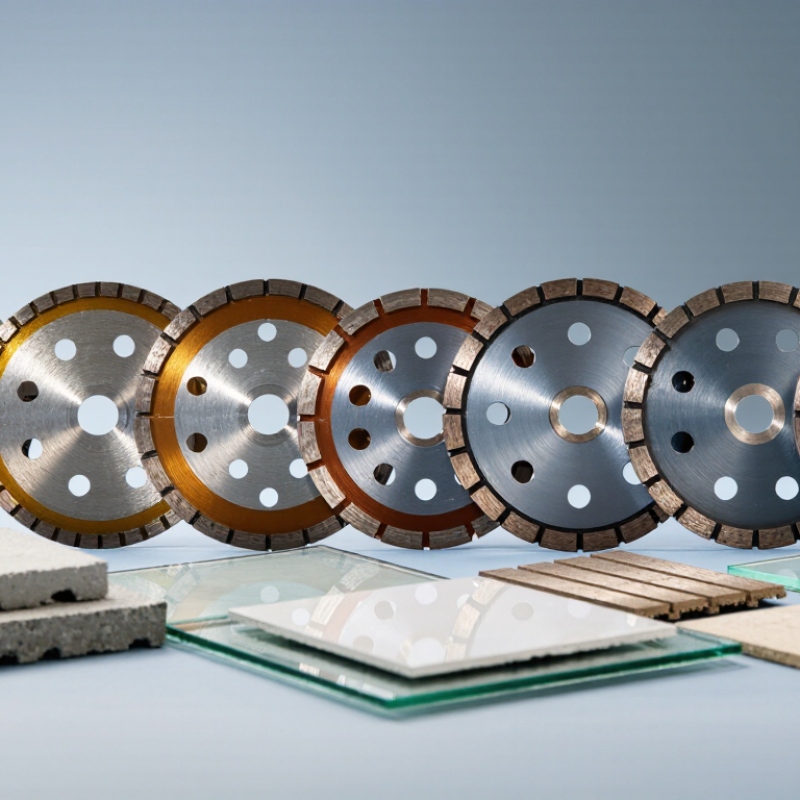
A diamond cutting disc is a circular tool with synthetic diamond particles fixed in a metal or resin bond. These particles grind hard materials through controlled abrasion, rather than ordinary slicing. The disc’s performance depends on diamond concentration, segment design, bond hardness, and operating speed. Small details matter.
Different discs serve different materials. Hard-bond discs often suit abrasive concrete, while softer bonds can cut dense stone more effectively. Segmented edges remove debris and heat during deep cuts. Continuous rims usually produce cleaner edges on tiles, ceramics, and delicate slabs. Wet cutting reduces dust and cools the working surface. Dry cutting is practical on small jobs but needs careful ventilation and pauses.
Common applications include cutting reinforced concrete, masonry, granite, marble, asphalt, glass, and porcelain. Construction crews use them for expansion joints, pipe openings, and floor repairs. Tile installers rely on continuous-rim discs for accurate trimming. Fabricators may select specialized discs for stone shaping and edge correction. In practical work, a disc rated for concrete may still perform poorly on heavily reinforced concrete. The material, machine power, cutting depth, and operator pressure all affect results.
When assessing the top ten worldwide suppliers, buyers should examine test data, dimensional consistency, safety documentation, and technical support. Reliable suppliers explain suitable materials and recommend realistic feed rates. A low price can hide uneven diamond distribution or weak segment bonding. It is worth checking actual cutting life, not only advertised speed. Mistakes happen, even with experienced teams. Regular inspection, correct guarding, and proper personal protection remain essential.
Criteria for Evaluating Global Diamond Disc Suppliers
Top 10 Diamond Cutting Disc Suppliers Worldwide
Choosing a diamond cutting disc supplier requires more than comparing catalog prices. Evaluate cutting performance under real working conditions. A reliable supplier should explain diamond concentration, grit size, bond type, and disc construction clearly. These details affect cutting speed, edge quality, service life, and material compatibility.
Request samples for concrete, stone, ceramic, or other target materials. Test them with the same machine, pressure, cooling method, and operator technique. Record cutting time, kerf width, vibration, dust behavior, and visible wear after repeated cuts. A disc that cuts quickly may wear unevenly. That matters.
Supplier quality also depends on manufacturing controls. Look for batch traceability, dimensional checks, balanced discs, and documented safety testing. Ask how the supplier handles inconsistent batches or product complaints. Clear technical support is valuable when site conditions change. Delivery reliability matters too, especially for contractors managing strict schedules.
Price alone is a weak filter. A cheaper disc may create rough edges, overheating, or frequent replacement. I have seen performance claims fail when tested on dense aggregate. That experience suggests caution. Published data should be supported by practical trials, transparent tolerances, and verifiable customer feedback. Certifications can strengthen confidence, but they do not replace field testing. A careful evaluation should also consider packaging quality, storage guidance, minimum order quantities, and communication during technical problems. Reliability shows in small details.
Manufacturing Technologies and Product Performance
Top 10 Diamond Cutting Disc Suppliers Worldwide: Manufacturing Technologies and Product Performance
A credible top-ten list should measure engineering, not advertising. Suppliers now combine vacuum brazing, laser welding, and precision sintering. These methods control diamond exposure, bond strength, and heat resistance. Grand View Research identifies construction and stone processing as major growth areas for diamond tools. Its 2024 analysis also forecasts steady market expansion through 2030. Performance depends on more than grit size.
The United States Geological Survey’s 2024 Mineral Commodity Summaries confirms synthetic diamond’s dominant role in industrial applications. That matters because synthetic grit offers consistent geometry and predictable cutting behavior. High-quality discs often use segmented rims, optimized slot spacing, and balanced steel cores. These details reduce vibration during granite, concrete, or ceramic cutting. Still, laboratory claims can exceed jobsite results. Dust, operator pressure, and poor cooling change everything.
Tips: Compare cutting speed, disc life, kerf stability, and visible segment wear. Request test data under matching materials and machine speeds. Check compliance with EN 13236 or equivalent safety requirements. A disc lasting twice as long may cut too slowly for production work. Measure total cost per meter, not purchase price alone. Real trials remain essential.
Top 10 Diamond Cutting Disc Suppliers Worldwide — Manufacturing Technologies and Product Performance
Non-brand industry benchmark showing the typical Mohs hardness of materials commonly processed by diamond cutting discs. Higher hardness generally requires a more wear-resistant diamond bond and optimized segment design.
Manufacturing technologies: sintered segments are widely used for general-purpose cutting, laser-welded segments improve joint strength and safety, electroplated discs provide high diamond exposure for precise cutting, and vacuum-brazed discs support aggressive cutting on hard or abrasive materials. Mohs values represent commonly published typical ranges and are not supplier-specific performance scores.
Profiles of the Top 10 Worldwide Suppliers
The top 10 worldwide diamond cutting disc suppliers are best assessed by capability, not visibility alone. Their profiles compare production scale, abrasive technology, quality control, and regional service. This matters when a disc faces porcelain tile in the morning and reinforced concrete later.
Grand View Research estimated the global diamond tools market at roughly USD 9 billion in 2023, with continued growth expected through 2030. Market estimates vary because some reports include blades, drill bits, and polishing systems. That limitation deserves attention. The strongest suppliers in this review provide clear data on diamond grit, bond hardness, segment height, arbor accuracy, and recommended cutting speed. Several also support discs tested against EN 13236 or ANSI safety requirements.
The ten profiles cover manufacturers serving construction, stone processing, road maintenance, and precision fabrication. Some specialize in fast dry cutting for masonry. Others prioritize controlled wet cutting, reduced chipping, or long service life on granite and engineered stone. Experienced buyers should examine cutting footage, kerf stability, noise, and heat behavior rather than relying on marketing claims. A disc that cuts quickly may wear unevenly. That is common. Supplier reliability also depends on batch consistency, technical response time, export documentation, and available replacement stock. Trade data from the International Trade Centre shows sustained global movement of abrasive and cutting products, but shipment volume alone cannot prove performance. Small field trials remain useful. Two suppliers may publish identical specifications, yet produce different results on the same saw and material.
Regional Coverage, Certifications, and Distribution Networks
When comparing the top ten diamond cutting disc suppliers worldwide, regional coverage often matters more than catalog size. Suppliers serving Europe, North America, Asia-Pacific, and the Middle East may offer local warehouses and faster replacement deliveries. Yet “global” can be used loosely. Confirm stock locations, export experience, customs support, and realistic response times. Ask for delivery records from comparable industries, not polished claims. This simple check can reveal important gaps.
Certification reviews should match the disc type, machine speed, cutting material, and workplace requirements. Look for current quality-management certificates, product test reports, and traceability documents. Independent laboratory evidence is stronger than a downloadable logo. Check the certificate scope, issuing body, and expiry date. Requirements differ across regions. A document accepted in one market may not satisfy another buyer. Technical staff should explain grit selection, bond behavior, and safe operating limits clearly. I would not treat certification alone as proof of cutting performance. Field trials still matter.
Tips: Map each supplier’s warehouses, distributors, and service contacts before ordering. Request samples from two production batches. Keep a backup route. Review packaging quality, delivery consistency, and technical replies. A supplier with slightly higher prices may reduce downtime through dependable regional support. Still, verify that promised inventory is physically available, because online stock information can become outdated quickly.
FAQS
It is a circular tool with synthetic diamond particles fixed in a metal or resin bond. The particles remove hard materials through controlled abrasion. Small design details matter.
Common materials include concrete, masonry, granite, marble, asphalt, glass, and porcelain. A disc suitable for concrete may perform poorly on heavily reinforced concrete. Material conditions matter.
Segmented edges remove heat and debris during deep cuts. They often suit concrete and masonry. Continuous rims usually create cleaner edges on tiles, ceramics, and delicate stone slabs. Cleaner, but sometimes slower.
Wet cutting cools the surface and reduces airborne dust. It suits longer cuts and demanding materials. Dry cutting works for smaller jobs, but requires ventilation, pauses, and careful dust control. Do not rush.
Request samples for the actual materials and test them on the same machine. Record cutting time, kerf width, vibration, dust behavior, and wear after repeated cuts. A quick cut may still wear unevenly. That matters.
Check batch traceability, dimensional inspections, balance records, and safety testing. Review certificate scope, issuing body, and expiry date. A downloadable logo proves little by itself.
Yes. Local warehouses can shorten replacement deliveries and reduce project delays. Confirm physical stock, customs support, export experience, and realistic response times. “Global” can be vague.
Not necessarily. A cheaper disc may cause rough edges, overheating, or frequent replacement. Compare actual cutting life, packaging, delivery consistency, and technical support. Price is only one piece.
Use correct guarding, suitable personal protection, and the disc’s rated operating speed. Inspect the disc before use and control operator pressure. Small mistakes can become expensive.
Test samples from two production batches under matching conditions. Keep the machine, cooling method, pressure, and operator technique consistent. Field trials are imperfect, but they reveal more than advertised speed alone.
Conclusion
This article provides a practical overview of the global Diamond Cutting Disc industry, beginning with the disc’s definition, structure, and applications in construction, stone processing, concrete cutting, roadwork, and industrial manufacturing. It explains how diamond segments and bonding materials influence cutting speed, durability, precision, heat control, and overall operating costs. Readers will also learn about the main criteria for evaluating international suppliers, including product consistency, technical expertise, quality management, customization capabilities, delivery reliability, and after-sales support.
The article then presents profiles of ten leading worldwide suppliers without focusing on brand promotion, highlighting their manufacturing technologies, product performance, regional strengths, certifications, and distribution networks. Special attention is given to production automation, segment design, safety testing, environmental considerations, and compatibility with different cutting machines and materials. By comparing supplier capabilities across regions, the article helps buyers identify dependable partners and select Diamond Cutting Disc solutions that match their operational requirements, performance expectations, and procurement strategies.