Engineered for corrugated sheet steel, metal decking, trapezoidal panels, and superhard stone/ceramic industrial applications.
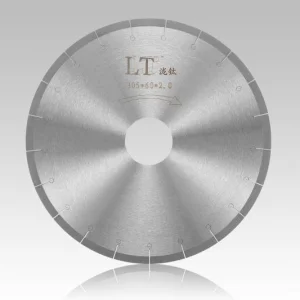
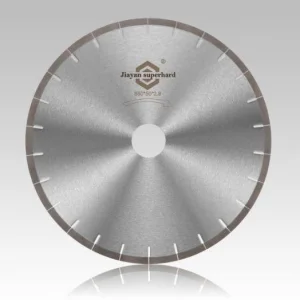
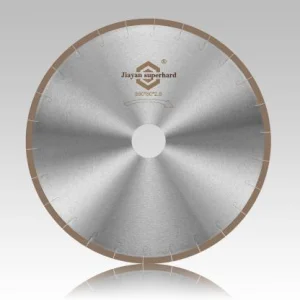
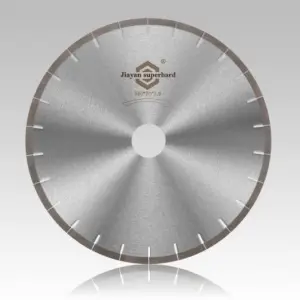
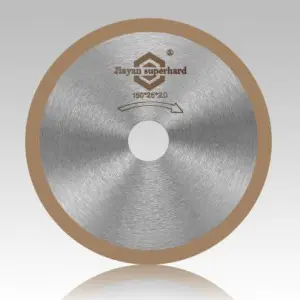
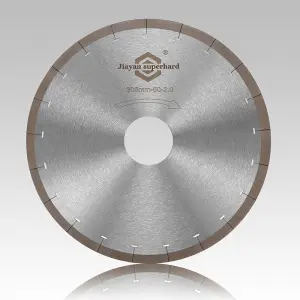
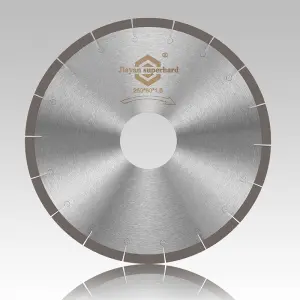
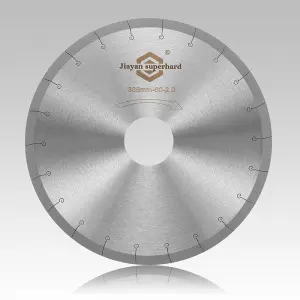
Analyzing the paradigm shift in cold metal processing, structural deck fabrication, and circular saw blade innovation.
In modern industrial roofing, architectural metal cladding, and modular structural fabrication, cutting corrugated metal sheets (such as galvanized steel, trapezoidal deck panels, standing seam aluminum, and stainless steel cladding) presents complex mechanical challenges. Historically, contractors relied on standard abrasive cutoff wheels. However, abrasive grinding generates extreme friction heat exceeding 800°C, causing substantial Heat-Affected Zones (HAZ), burning off protective zinc coatings, warping sheet geometries, and leaving hazardous razor-sharp burrs.
Leading global engineering procurement teams are rapidly transitioning to specialized circular saw cold-cutting blade technologies. Utilizing advanced circular saws fitted with modified Carbide Tipped (TCT) or Cermet matrix teeth, cold-cutting removes micro-chips cleanly without thermal degradation. This process preserves the anti-corrosive zinc layer, produces burr-free cool-touch edges, and dramatically increases productivity on commercial job sites.
The global demand for high-performance corrugated metal circular saw blades is accelerating due to key macroeconomic expansions:
Understanding the physics of cutting interrupted thin-gauge profiles and steep trapezoidal angles.
Corrugated metal sheets feature alternating flat crowns and steep side-rib transitions. A TCG profile combines a trapezoidal lead tooth that cuts a central groove with a flat raker tooth that cleans the corners, mitigating high impact forces on thin metal edges.
Standard carbide teeth often suffer micro-chipping during high-impact corrugated entry. Premium circular saw blades utilize Ceramic-Metallic (Cermet) composite tips or nano-grained Titanium Carbide alloys designed for extreme thermal shock resistance and minimal metal adhesion.
Thin metal corrugated panels vibrate intensely during circular saw cutting. High-grade saw steel bodies feature laser-etched expansion slots injected with acoustic resin or copper plugs to absorb harmonic resonances, preventing tooth chatter and lateral blade wander.
Selection matrix for circular saw blades based on corrugated metal gauge, tooth density, and motor power.
| Blade Diameter | Tooth Count (Z) | Tooth Profile | Target Material & Thickness | Optimal RPM Range | Kerf Thickness | Certification |
|---|---|---|---|---|---|---|
| 7-1/4" (185mm) | 48T / 54T | Modified TCG | Light Corrugated Roofing (0.4 - 0.8mm) | 3,500 - 5,800 RPM | 1.6 mm | CE / ISO9001 |
| 9" (230mm) | 60T / 68T | TCG Cermet | Medium Deck Panels (0.8 - 1.2mm) | 2,800 - 4,200 RPM | 1.8 mm | EN847-1 |
| 12" (305mm) | 80T / 90T | ATB / TCG Hybrid | Heavy Decking & Sandwich Panels (1.2 - 2.5mm) | 1,500 - 2,200 RPM | 2.2 mm | ISO / FEPA |
| 14" (355mm) | 90T / 100T | Heavy-Duty TCG | Structural Corrugated Steel & Stainless Deck | 1,300 - 1,800 RPM | 2.4 mm | Industrial Grade |
Ensuring absolute batch-to-batch consistency, safety compliance, and operational reliability for global procurement buyers.
As a key member of the China Superhard Material Association, JIAYAN Superhard Tools operates high-precision automated sintering furnaces, CNC 5-axis grinding stations, and dynamic balance inspection lines. Every circular saw blade designed for corrugated metal undergoes three strict quality gates prior to export:

Operational best practices to maximize blade life, prevent blade pinching, and protect corrugated sheet coatings.
When starting a cut across corrugated ridges, enter the crest at a 15-degree lead angle rather than placing the blade flat against the peak. This reduces initial impact shock on teeth and prevents jagged edge tearing on high-standing seams.
Do not force the saw through thin sheet metal. Maintain steady, uniform forward pressure, letting the cold-cutting cermet teeth chip away metal smoothly. Over-feeding causes micro-chipping; under-feeding causes heat buildup.
Always clamp corrugated metal sheets securely on both sides of the cut line close to the kerf path. Unclamped sheet edges flutter uncontrollably at high blade speeds, leading to tooth damage or crooked cut profiles.
Pioneering advancements in superhard nanocomposite coatings, smart blade vibration damping, and zero-emission dry cutting.
Next-generation circular saw blades feature multi-layered PVD coatings (TiAlSiN) that form an oxide protective layer at high friction temperatures, enabling ultra-fast dry cutting of high-tensile structural metal decking.
Micro-grooved laser patterns etched along blade side walls reduce frictional contact area against corrugated sheet walls by 35%, dramatically lowering operating noise level and motor amp draw.
Modular tooth pocket designs allow rapid robotized re-tipping and re-sharpening, supporting enterprise ESG sustainability goals by extending blade body lifecycles up to 4 complete service cycles.
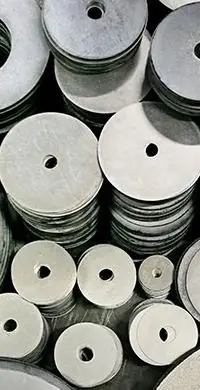
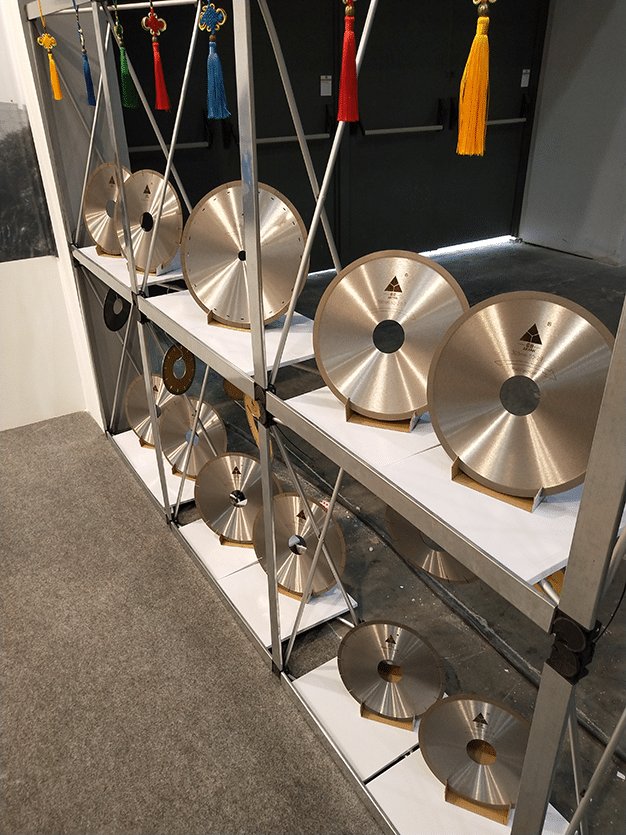
Explore our full catalog of specialized circular saw blades, diamond cutting discs, and custom OEM cutting solutions.



Direct answers to technical queries from field engineers, procurement specialists, and metal fabrication contractors.
While a standard woodworking circular saw can physically mount a metal blade, it operates at significantly higher RPMs (4,500–6,000 RPM) than ideal for metal cold cutting. For safety and maximum blade life, use a dedicated metal-cutting circular saw operating at lower RPMs (1,500–3,500 RPM) with built-in chip collection to avoid motor thermal overload and kickback risks.
Angle grinders generate high friction heat (HAZ) that melts and burns away the protective galvanizing or paint coating along the cut, leading to rapid edge rusting (rust lines). Circular saw cold-cutting blades slice micro-chips without heat transfer, leaving clean, cool-touch edges that preserve anti-corrosive galvanized layers.
For thin-gauge sheet roofing (0.4mm to 0.8mm), high tooth count blades (48T to 60T on 7-1/4" blades) are recommended so that at least 2–3 teeth remain engaged with the thin sheet wall simultaneously. For thicker structural steel decks (1.2mm to 2.5mm), medium tooth counts (36T to 48T) allow proper chip clearance without clogging.
Cermet (Ceramic-Metallic) tips offer superior hardness and heat resistance compared to standard tungsten carbide. They maintain sharp cutting edges up to 2 times longer when cutting high-tensile galvanized corrugated steel decking and produce cleaner cuts with minimal spark emissions.
Blade pinching occurs when unsupported corrugated metal flexes downward into the kerf opening. To prevent this, always elevate and support both sides of the panel using 2x4 wooden runners along the entire cut path and use a blade with an optimized kerf thickness that provides structural clearance.
JIAYAN Superhard Tools provides comprehensive OEM/ODM customization services for global distributors and original equipment manufacturers. This includes custom arbor bore diameters, specialized tooth geometries (TCG/ATB/Flat), nano-coatings (TiAlN/AlTiN), customized blade thickness, and custom laser-engraved branding.