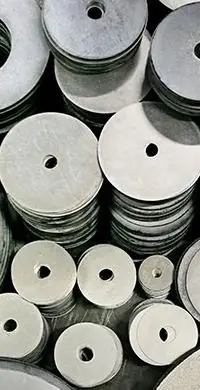
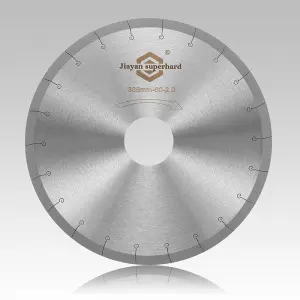
OEM Small Diamond Sections Exporters & Company

Global Technical Whitepaper & Engineering Guide on Advanced Powder Metallurgy, Micro-Segment Geometry, and Next-Generation Precision Diamond Cutting Tools for Stone, Ceramics & Hard Construction Materials.

Featured OEM Small Diamond Tooling & Blade Assemblies

High-performance industrial diamond saw blades and custom segment configurations engineered for maximum cut speed, extended wear cycle, and edge precision.

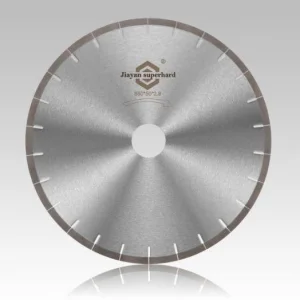
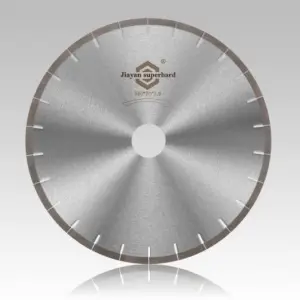
OEM Diamond saw blade cutting disc 350mm diamond circular saw blade for cut granite stone Company

350mm Diamond Circular Saw Blade for Granite Stone

View Details & Specs
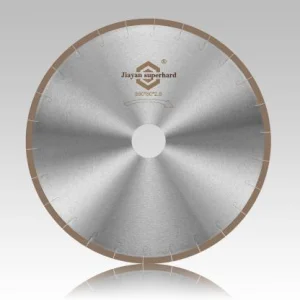
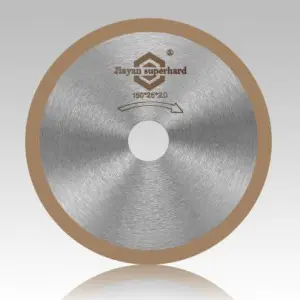
Custom Super Fast Cutting segment Rim J Slot Diamond Saw Blade for Tile Ceramic

Custom J-Slot Fast Cutting Blade for Ceramic & Tile

View Details & Specs
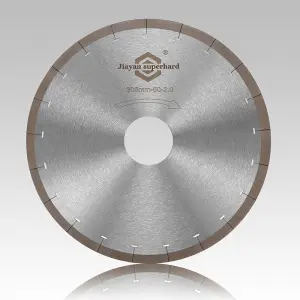
Best 14 Inch Diamond Saw Blades Specialized for SINTERED STONE

14 Inch Diamond Blade Specialized for Sintered Stone

View Details & Specs
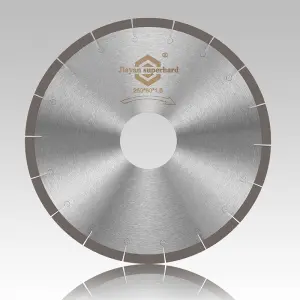
350mm Diamond Saw Blade for Granite Stone Cutting

350mm High-Performance Granite Cutting Segment Blade

View Details & Specs
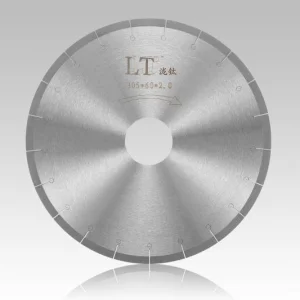
Small Size Diamond Cutting Disc for Tile and Stone

Small Size Diamond Cutting Disc Series (105mm - 230mm)

View Details & Specs
14 Inch Hot Pressed Diamond Circular Saw Blade for Ceramic Tile

14" Hot-Pressed Continuous Rim Blade for Porcelain

View Details & Specs
14 Inch Welding Segment Diamond Cutting Blade for Ceramic

14" Laser Welded Segment Diamond Saw Blade

View Details & Specs
1.0mm Ultra-Thin Diamond Segment Cutting Disc for Ceramic

1.0mm Ultra-Thin Micro Segment Disc for Fine Ceramic

View Details & Specs
Executive Summary: The Industrial & Commercial Landscape of Small Diamond Sections

Analysis of international supply dynamics, raw material metallurgical shifts, and growing global demand for high-efficiency small diamond cutting segments (sizes 105mm to 350mm).

7.8%
Global CAGR (2024-2030)
>98.5%
Sintering Density Rate
350+ MPa
Segment Shear Strength
50+
Global Export Markets

In the modern global stone processing, construction, and architectural ceramics sectors, small diamond sections—typically defined as sintered diamond segments engineered for saw blades ranging from 105mm (4 inches) to 350mm (14 inches) in diameter—represent the core mechanical cutting edge for high-precision operations. Unlike large gang-saw or block-cutting segments designed solely for massive raw stone extraction, small diamond sections must satisfy complex, highly versatile requirements: chip-free cutting of modern engineered sintered stone (Dekton, Neolith), ultra-fast handheld angle grinding of hard granite, high-speed automated bridge saw edge trimming, and dry-slotting of reinforced concrete.

From a macro-economic perspective, the global market for superhard materials has undergone a structural transformation. The rapid adoption of ultra-dense sintered porcelain slabs, combined with strict environmental regulations regarding dust emissions (silicosis prevention) and energy consumption, has forced OEM exporters and tool companies to innovate rapidly. Procurement managers across Europe, North America, the Middle East, and Southeast Asia no longer evaluate diamond tool exporters strictly on unit price. Instead, buying decisions are driven by Total Cost per Linear Meter Cut, matrix thermal retention consistency, shear stress resistance, and OEM custom formulation capabilities.

European & American Demand Drivers

The proliferation of high-density porcelain slabs (water absorption < 0.1%, Mohs hardness > 7) requires small diamond sections with soft bond matrices and high-frequency self-sharpening dynamics. Exporters catering to European fabricators must supply segment geometries that prevent edge micro-chipping while operating at high linear speeds.

Asia-Pacific & Middle East Expansion

Rapid urbanization and mega-infrastructure initiatives in the GCC and Southeast Asia demand high-durability small diamond sections capable of tackling abrasive sandstones, hard quartzites, and heavily reinforced concrete. High thermal tolerance and silver-brazing reliability are paramount in hot climate environments.

Powder Metallurgy Dynamics

Volatile raw material costs—specifically cobalt (Co), nickel (Ni), and synthetic diamond mesh—have accelerated technical research into pre-alloyed iron-cobalt-copper (Fe-Co-Cu) matrix systems. Leading OEM companies utilize advanced hot-press sintering to minimize cobalt reliance while enhancing impact toughness.

Materials Science: Metallurgy & Microstructure of Small Diamond Segments

An authoritative deep dive into the powder metallurgy, diamond grit surface coatings, matrix wear kinetics, and thermo-mechanical stress factors determining segment lifecycle.

The Golden Rule of Diamond Tool Tribology

A diamond segment operates as a self-sharpening cutting mechanism. The rate of metallic matrix erosion (recession) must strictly match the cleavage rate of the synthetic diamond grains. If the matrix is too hard, the diamonds glaze over, causing thermal friction and blade deflection; if the matrix is too soft, diamond grains shed prematurely, drastically reducing blade life.

1. Powder Metallurgy Matrix Formulations

The metallic matrix serves as the structural anchor for synthetic diamond crystals. Leading OEM exporters utilize specialized chemical formulations adapted to the targeted substrate:

  • Cobalt-Based Matrices (Co-rich): Offer exceptional toughness, high thermal conductivity, and high mechanical retention. Highly suited for cutting hard granites (Class 4 and Class 5), basalt, and quartzites.
  • Bronze-Bonded Matrices (Cu-Sn): Lower melting temperatures during hot-press sintering, providing soft wear properties ideal for delicate ceramic tiles, glass, and ultra-dense porcelain where constant self-sharpening is essential to prevent edge fractures.
  • Iron-Cobalt-Nickel Alloys (Fe-Co-Ni): Pre-alloyed atomized powders engineered to replace pure cobalt. These matrices deliver superior tensile strength and wear resistance at lower material costs, serving as the standard for general construction stone cutting.
  • Tungsten Carbide (WC) Additives: Incorporated in small fractions (2%–5%) to boost matrix abrasion resistance when cutting highly abrasive materials like sandstone, asphalt, or green concrete.

2. Diamond Grit Selection & Surface Coating Technology

The synthetic diamond crystals embedded inside the segment determine cutting aggressive performance. Two critical parameters dictate performance:

  1. Grit Mesh Size & Concentration: Coarse grits (e.g., 30/40, 40/50 US Mesh) are deployed for fast, aggressive cutting of soft-to-medium natural stones. Fine grits (e.g., 60/70, 80/100 US Mesh) are required for thin small diamond sections (1.0mm - 1.6mm kerf) cutting delicate ceramics to achieve mirror-smooth edge finishes. Concentration ranges from 15% to 35% by volume depending on application.
  2. Titanium (Ti) and Nickel (Ni) Chemical Coatings: Raw diamond crystals undergo thermal degradation (graphitization) above 750°C. OEM exporters apply a micron-thin Titanium carbide coating to the diamond surface. This chemical barrier prevents oxidation during the 850°C–980°C hot-press sintering cycle, enhancing chemical bonding between the metal matrix and the diamond grain by up to 300%.
Matrix Alloy Type Sinter Temp (°C) Matrix Hardness Primary Substrate Application Wear Mechanism Type
High Co-Fe Alloy 900°C - 950°C 95 - 105 HRB Hard Granite (Class IV/V), Quartzite High Impact / Micro-Fatigue Wear
Fe-Cu-Ni Pre-Alloy 850°C - 900°C 85 - 95 HRB Medium Granite, Marble, Masonry Balanced Abrasion & Erosion
Cu-Sn Bronze Bond 780°C - 830°C 65 - 75 HRB Ultra-Dense Sintered Stone, Glass Controlled Soft Matrix Erosion
WC-Reinforced Fe 920°C - 980°C 105 - 115 HRB Abrasive Sandstone, Asphalt, Green Concrete High Abrasion Resistance
OEM Technical Customization Framework & Segment Geometry

Engineered options for global procurement partners: segment profiles, dimensional tolerances, attachment mechanics, and core compatibility.

Turbo-Wave Profile

Features angled lateral grooves to accelerate swarf evacuation, reduce drag friction, and cool the blade body during dry cutting operations.

Target: Angle Grinders & Masonry Saws

J-Slot Continuous Rim

Engineered with thermal expansion expansion slots. Minimizes vibration and stress concentration on delicate porcelain tile edges.

Target: Wet Tile Cutting Machines

Crown / W-Shape Segment

Designed with reduced initial contact surface area. Accelerates initial blade opening (dressing phase) for immediate fast cutting speed.

Target: High-Speed Bridge Saws

Keyhole / Slot Segment

Provides maximum air fluid cooling dynamics, clearing heavy abrasive slurry rapidly when cutting deep slabs or concrete.

Target: Handheld & Bench Cutters

Brazing vs Laser Welding Joint Integrity

A vital distinction in OEM small diamond section manufacturing lies in the joint bonding method between the segment base and the steel core (75Cr1 steel or 50Mn steel):

  • High-Frequency Silver Brazing (Ag-Cu-Zn alloy): Requires water coolant during operation. Operating temperatures must remain under 600°C to prevent braze melting. Ideal for cost-effective stone fabrication and precision factory wet cutting.
  • Fiber Laser Direct Weld Fusion: The laser beams melt the metallic segment transition zone directly onto the steel blank core, creating a homogenous atomic weld joint. Laser-welded small diamond sections withstand extreme dry-cutting heat (exceeding 900°C) without segment detachment, meeting strict international safety compliance standards (EN13236).
Industry Trends & Manufacturing Technological Roadmap (2025–2030)

Key technological innovations re-shaping small diamond segment export standards over the next decade.

1. AIA (Arrayed Diamond Positioning)

Moving from random diamond dispersion to 3D equidistant grid arrangement. Controlled spatial geometry ensures uniform wear, increasing blade cutting speed by up to 50% while extending total tool life by 40%.

2. Ultra-Thin Kerf Architecture (<1.2mm)

Driven by the high cost of premium sintered stone slabs, small diamond sections are engineered to cut thinner kerfs. Reduces raw stone material waste, lowers power load on CNC spindles, and minimizes noise.

3. Sub-Micron Green Powder Sintering

Transitioning to ultrafine nano-powder metallurgy. Allows lower hot-press sintering temperatures (reducing energy consumption) while delivering higher fracture toughness and lower environmental impact.

Macro Industry Solutions & Field Application Scenarios

Real-world deployment matrix: matching specific segment metallurgy and profiles with operational substrate challenges.

Scenario A: High-Speed CNC Sintered Stone Edge Trimming

Challenge: Sintered porcelain slabs (e.g., Dekton, Neolith) possess extreme internal tension and surface hardness. Standard granite blades cause catastrophic edge chipping or slab cracking.

OEM Solution: Small diamond sections with soft bronze-cobalt matrix, high grit concentration of fine diamond (60/80 Mesh), and J-slot continuous rim blade body. Operates with heavy water cooling at tailored feed speeds (1.2 - 2.5 m/min).

Scenario B: Handheld Dry Masonry & Granite Slotting

Challenge: Construction operators using high-RPM electric angle grinders require dry cutting capability without thermal blade warping or segment loss safety hazards.

OEM Solution: Laser-welded keyhole or turbo small diamond sections with titanium-coated synthetic diamond grit in a wear-resistant Fe-Co alloy matrix. Provides thermal stability up to 900°C without water cooling.

Manufacturing Excellence, E-E-A-T & Quality Assurance Protocol

How industry-leading OEM exporters guarantee batch-to-batch consistency, physical safety, and physical shear stress tolerance.

As a key enterprise member of the China Superhard Material Association, manufacturing practices follow rigorous international quality controls. Producing high-performance small diamond sections requires multi-stage inspection procedures:


  • Raw Powder X-Ray Spectrometry: Verifying particle size distribution and chemical purity of cobalt, iron, and nickel powders before mixing.
  • Automated Cold-Pressing & Hot-Sintering Control: Computerized monitoring of temperature curves, pressure cycles, and dwell times to ensure segment density exceeds 98.5% of theoretical density.
  • Shear Strength Testing: Destructive hydraulic shear testing on laser-welded segments to ensure joint strength exceeds 350 MPa, far surpassing safety standards (EN13236).
  • Dynamic Runout & Balance Verification: Every finished diamond blade with segments attached undergoes radial and axial runout inspection within ±0.03mm.
JIAYAN Superhard Manufacturing Facility — Quality Control for Diamond Tools
Advanced Diamond Tool Sintering Technology

Advanced Sintering

Strict Quality Control Process for Diamond Saw Blades

Strict QC Process

Large-Scale Diamond Tool Production Capacity

High Production Capacity

Global Export and OEM Service for Diamond Cutting Tools

Global OEM Service

Frequently Asked Questions (Engineering & Technical FAQ)

Technical solutions to common operational and purchasing queries in small diamond section procurement.

Q1: What causes segment glazing (loss of cutting speed) and how is it solved?
Glazing occurs when the metallic matrix is too hard for the substrate being cut. The matrix fails to wear down fast enough to expose fresh diamond grains, creating a smooth polished surface that generates heat instead of cutting. Solution: Dress the blade by cutting into an abrasive material like firebrick or green sandstone, or request an OEM formulation with a softer bronze/iron binder alloy.
Q2: Why choose laser welded small diamond sections over silver brazed segments?
Laser welding creates a direct molecular fusion bond between the segment matrix base and the steel core plate, capable of withstanding temperatures exceeding 900°C without risk of segment detachment. Silver brazing relies on a solder alloy that melts around 600°C. Therefore, laser-welded blades are required for heavy-duty dry cutting, whereas silver brazed blades are suitable for wet cutting environments.
Q3: How do titanium coatings on synthetic diamond crystals improve segment performance?
Titanium coatings form a protective chemical barrier around the synthetic diamond grit. During high-temperature hot-press sintering (850°C - 980°C), this layer prevents graphitization (thermal degradation of diamond into carbon) and enhances mechanical anchorage within the metal matrix by creating a chemical TiC interphase bond.
Q4: What is the optimal linear cutting speed (m/s) for small diamond blades cutting granite vs porcelain?
For hard granite, recommended peripheral blade speed is 25 - 35 m/s. For dense sintered stone/porcelain tiles, a lower linear speed of 15 - 25 m/s with continuous water coolant is recommended to avoid thermal shock and edge chipping.
Q5: Can OEM suppliers customize segment shapes for specific multi-blade machinery?
Yes. Custom OEM exporters engineer segment height (e.g., 7mm, 10mm, 12mm, 15mm), width, radius, and shape (Turbo, Crown, Keyhole, Step-segment) to fit specific multi-blade gang setups, edge profiling CNC machines, or manual stone cutters.
Q6: What is the typical MOQ and lead time for custom matrix OEM orders?
Standard custom matrix evaluation samples can be produced within 7 to 10 days. Commercial bulk export shipments typically require 2 to 3 weeks depending on total segment quantity and specific hot-pressing mold availability.
Q7: How does diamond grit concentration impact cut life versus cutting aggressiveness?
Higher diamond concentration increases segment wear life, provided the machine has sufficient power (kW) to drive the blade. Lower diamond concentration exposes higher pressure per diamond point, offering faster, freer cutting under lower motor power conditions.
Q8: How can global buyers verify international standard compliance?
Reputable exporters comply with EN13236 European safety standard and ISO 9001 quality management standards. Every production batch undergoes shear testing, dynamic balance calibration, and microscopic matrix inspection.
Explore Product Catalog & Order OEM Customization

Select a product below to inspect engineering specifications or contact our technical sales team for custom matrix development.

OEM Diamond saw blade cutting disc 350mm diamond circular saw blade for cut granite stone Company

350mm Diamond Saw Blade for Granite

Request OEM Quote
Custom Super Fast Cutting segment Rim J Slot Diamond Saw Blade for Tile Ceramic

J-Slot Fast Cutting Blade for Ceramic

Request OEM Quote
Best 14 Inch Diamond Saw Blades Specialized for SINTERED STONE

14 Inch Blade for Sintered Stone

Request OEM Quote
350mm Diamond Saw Blade for Granite Stone Cutting

350mm Diamond Blade for Stone Series

Request OEM Quote
Small Size Diamond Cutting Disc for Tile and Stone

Small Size Diamond Cutting Disc

Request OEM Quote
14 Inch Hot Pressed Diamond Circular Saw Blade for Ceramic Tile

14" Hot Pressed Blade for Porcelain

Request OEM Quote
14 Inch Welding Segment Diamond Cutting Blade for Ceramic

14" Laser Welded Ceramic Blade

Request OEM Quote
1.0mm Ultra-Thin Diamond Segment Cutting Disc for Ceramic

1.0mm Ultra-Thin Diamond Disc

Request OEM Quote

Need Custom Powder Formulas or OEM Private Labeling?

Our engineering division provides customized diamond matrix formulations, private brand laser etching, and tailored packaging solutions for global distributor chains.

Download Full OEM Catalog Contact Technical Team