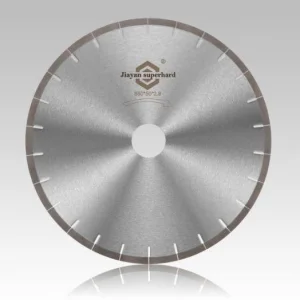
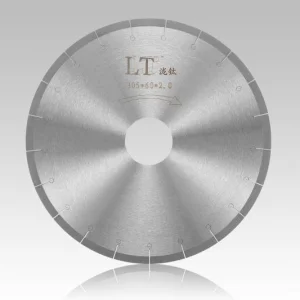
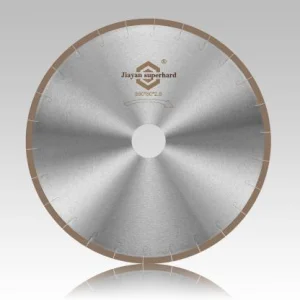
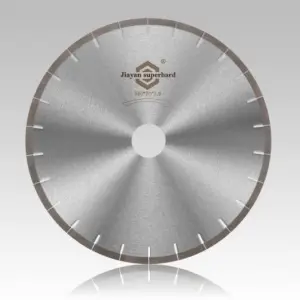
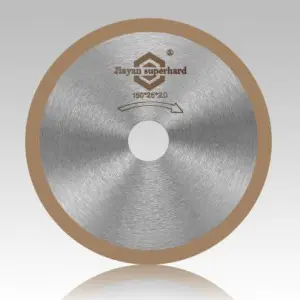
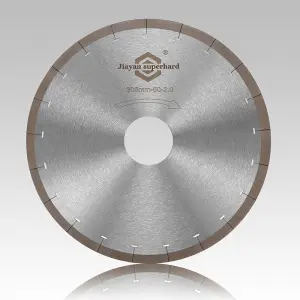
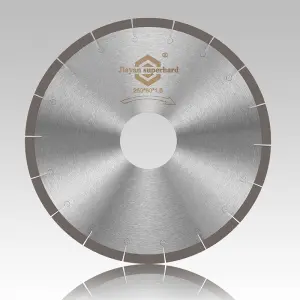
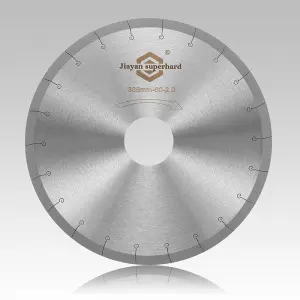
Explore our flagship OEM thin kerf TCT circular blades and advanced superhard diamond tools engineered for maximum material recovery and ultra-fine cut surfaces.
The Metallurgical Science & Operational Dynamics of High-Yield Thin-Kerf Tungsten Carbide Tooling
In modern industrial manufacturing—ranging from solid wood primary processing and secondary furniture fabrication to non-ferrous architectural aluminum profiling—the efficiency of primary cutting tools is governed by a singular critical metric: Kerf Loss Volume. Traditional circular saw blades featuring standard plate thicknesses (ranging from 3.2mm to 4.5mm) generate massive material waste in the form of sawdust, kerf shavings, and heat distortion. As raw material costs for premium hardwoods, engineered composites, and extruded aluminum alloys climb globally, industrial procurement teams are rapidly transitioning to OEM TCT (Tungsten Carbide Tipped) Saw Blade Thin Kerf Solutions.
A thin kerf TCT blade drastically narrows the width of the cut (typically down to 1.4mm – 2.2mm). By reducing the material removed during each passage by 30% to 50%, factories immediately unlock substantial raw material recovery, lower spindle torque requirements, reduce electrical power consumption, and minimize dust emissions. However, engineering a thin blade body requires overcoming significant physical challenges: radial displacement, axial wobble, thermal expansion, and harmonic resonance.
Reducing kerf width from 3.2mm to 1.8mm saves exactly 1.4mm of raw substrate material per pass. On automated ripping lines operating at 80 meters per minute, this reduction directly translates into 1 additional usable board for every 12-15 passes, boosting net plant yield by up to 7.8% annually without increasing log consumption.
How JIAYAN Mastered Thin Kerf Stability Through Advanced Alloys & Laser Geometry
We utilize industrial K10-K20 ultra-fine tungsten carbide micro-grain structures combined with 10-12% Cobalt binder. This ensures extreme hardness (HRA 92.5+) while maintaining maximum toughness to prevent tooth chipping under heavy feed rates.
The steel core is laser-cut from high-tensile Japanese 75Cr1 (SKS51) alloy steel, stress-relieved and heat-treated to HRC 44-46. This provides optimal memory retention, preventing thermal warpage under intense friction.
Computer-optimized laser-cut expansion slots filled with thermoplastic polyurethane (TPU) damp vibration and absorb centrifugal expansion. This cuts operating noise by up to 12 dB while preserving straight cutting lines.
| Performance Parameters | Standard TCT Blade | JIAYAN OEM Thin Kerf TCT Blade | PCD (Diamond Tipped) Blade |
|---|---|---|---|
| Typical Kerf Width (300mm Dia.) | 3.2mm – 3.5mm | 1.6mm – 2.2mm (-45%) | 2.4mm – 2.8mm |
| Plate Thickness | 2.2mm – 2.4mm | 1.2mm – 1.6mm | 1.8mm – 2.0mm |
| Kerf Material Savings Ratio | Baseline (0%) | 30% – 48% Material Saved | 15% – 25% Material Saved |
| Spindle Load Requirement | High (100% Torque) | Low (60-65% Torque) | Moderate (80% Torque) |
| Surface Roughness (Ra) | 3.2 – 6.3 µm | 0.8 – 1.6 µm (Mirror Finish) | 1.2 – 2.5 µm |
| Initial OEM Tooling Cost | Economic ($) | Optimal Value ($$) | High Capital ($$$$) |
Financial Quantification of Material Recovery for High-Volume OEM Plant Managers
To quantify the financial payback of switching your production lines to JIAYAN thin kerf TCT blades, consider the standard multrip ripping formula applied over 1,000,000 linear meters of oak or mahogany lumber processing:
Example Scenario:
*In addition to direct timber savings, reduced motor load lowers plant electric demand by up to 18 kWh per machine shift, extending spindle bearing lifespans by over 40%.
Why Global Tool Brands Partner with JIAYAN Superhard Tools for Precision Customization

Based in Wuhu, Anhui, China, JIAYAN operates an advanced 15,000m² manufacturing plant equipped with multi-axis automated CNC grinding equipment. As an accredited member of the China Superhard Material Association, our metallurgical practices adhere strictly to international ISO9001 and EN847-1 safety specifications.
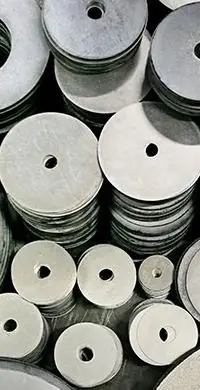
Every single tooth profile—whether Alternate Top Bevel (ATB), Triple Chip Grind (TCG), or High-Low geometry—is ground using state-of-the-art VOLLMER CNC erosion and grinding systems. This guarantees micro-edge sharpness, exact rake angles (±0.5°), and flawless concentricity across batch runs.

Tri-metal silver-copper-silver braze alloy prevents tip shearing during high-impact cuts.

Monthly output of over 150,000 precision blades with consistent quality control.

Exporting to 50+ countries with custom packaging, laser etching, and tailored arbor bores.
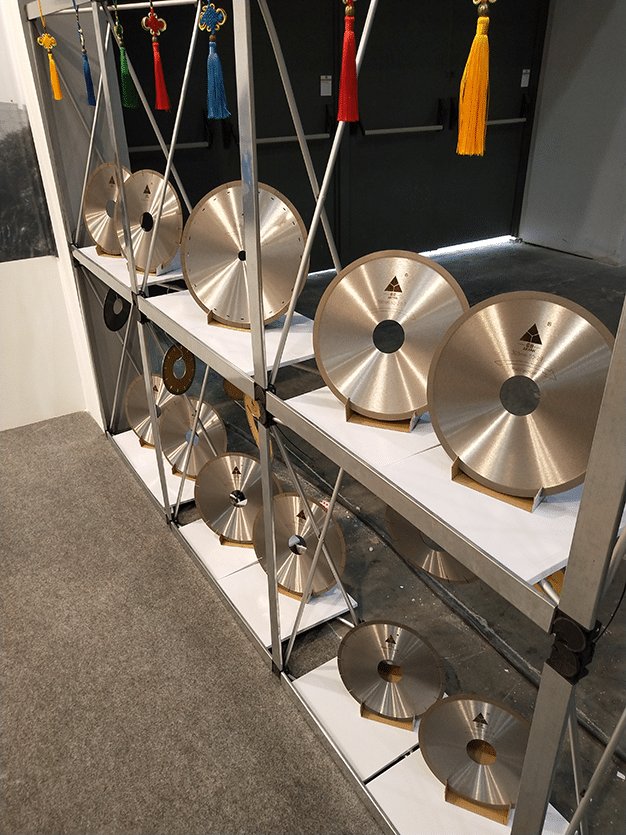
100% optical projection inspection and dynamic balancing to eliminate vibration.
Tailored Tooth Geometries & Surface Coatings Optimized for Diverse Substrates
Tooth Configuration: Flat Tooth (FT) or Alternate Top Bevel (ATB) with Raker teeth.
Kerf Range: 1.6mm – 2.2mm.
Application: Fast longitudinal ripping of softwoods and hardwoods on gang saws. Integrated wipe slots prevent resin buildup and cooling gullets dislodge continuous wood fibers.
Tooth Configuration: Triple Chip Grind (TCG) with negative shear rake (-5° to -7°).
Kerf Range: 1.8mm – 2.4mm.
Application: Clean, burr-free crosscutting of architectural aluminum windows, door profiles, brass, and copper tubes without wall crushing.
Tooth Configuration: High Alternate Top Bevel (Hi-ATB) or TCG.
Kerf Range: 1.4mm – 2.0mm.
Application: Double-sided laminated panels, melamine, veneer flooring, and high-density fiberboard (HDF) where top/bottom surface chipping must be zero.
Seamless End-to-End Manufacturing Integration for Industrial Distributors and Equipment Brands
Our engineering team collaborates directly with your technical buyers to review outer diameter specifications (100mm to 500mm), pin-hole configurations, bore sizes (20mm, 25.4mm, 30mm, 50mm), and target feed speeds. CAD drawings are validated within 24 hours.
Select carbide tooth grades tailored specifically to your target material (e.g., Ceratizit or Kennametal carbide grades for abrasive tropical hardwoods, or ultrafine grades for non-ferrous metals). Samples are laser-cut, tensioned, and dynamically tested.
We offer high-precision laser marking for custom logos, part numbers, safety warnings, and barcodes directly onto the blade surface. Tailored packaging includes color printed sleeves, blister packs, or heavy-duty industrial wooden crates.
Every export lot undergoes 100% automated optical inspection (AOI) for pitch tolerance, tooth runout check (<0.02mm), and shear brazing strength verification. Full documentation and certificates of analysis (CoA) accompany global shipments.
Comprehensive Engineering Answers Regarding Thin Kerf TCT Saw Blade Procurement & Operation
The main distinction lies in the width of the carbide tip and the thickness of the steel core plate. Thin kerf blades remove 30% to 50% less material per cut compared to standard blades. This results in significantly reduced sawdust production, lower motor resistance, less strain on machine spindles, and higher total timber/material yield. However, thin kerf blades require higher precision manufacturing (tensioning and dynamic balancing) to maintain straight cutting without plate wandering.
We employ a three-tier stabilization methodology: 1) Using premium Japanese 75Cr1 high-tensile spring steel cores heat-treated to HRC 44-46; 2) Precision roll-tensioning calibrated specifically to your machinery's operating RPM; 3) Computer-designed laser silencer expansion slots injected with vibration-damping resin, which absorb axial harmonics and expansion under heat.
Yes! JIAYAN thin kerf TCT blades utilize generous sub-micron carbide tip volumes, allowing for 8 to 12 resharpening cycles under normal operating conditions. Because our tooth grinding geometries follow standard EN847-1 specifications, standard CNC tool grinding machinery can easily maintain original face and top rake angles.
We provide comprehensive OEM flexibility including core plate thickness, kerf width, tooth count, specialized tooth profiles (ATB, TCG, Hi-ATB, Flat), custom arbor bore diameters and keyways, surface coatings (Teflon, TiAlN, Chrome), laser-etched branding, and customized retail or industrial packaging.
Our standard OEM minimum order quantity starts at 100 to 300 units depending on blade diameter. Custom prototype samples can be engineered and shipped within 7 to 10 days, while full commercial container shipments typically require 20 to 30 calendar days from drawing approval.
High-Performance Cutting Discs & Circular Blades Engineered for Global Industry Standards
Professional manufacturer of TCT thin kerf saw blades, diamond saw blades, and cutting discs for stone, ceramic, and non-ferrous materials. Accredited member of the China Superhard Material Association.
Direct Factory Contact:
Email: [email protected] |
Phone/WhatsApp: +86 15815923777