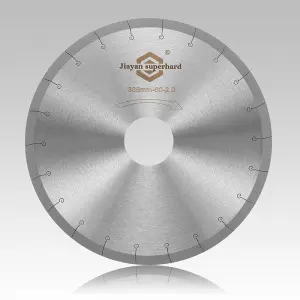
Wholesale Laser Welding Diamond Saw Blade Manufacturers & Exporters

Engineering White Paper & B2B Procurement Guide: High-Frequency Laser Fusion Metallurgy, Heavy-Duty Structural Cutting Performance, and China's Advanced Superhard Tool Ecosystem.

Featured Wholesale Diamond Saw Blades

Explore our high-performance laser-welded and sintered diamond blades designed for heavy structural cutting, granite quarrying, green concrete sawing, and porcelain slab fabrication.

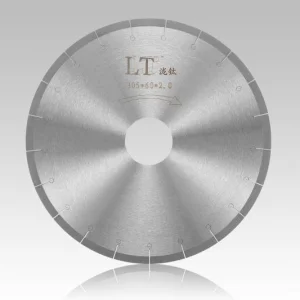
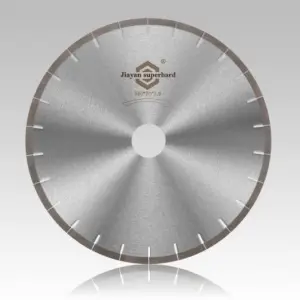
14 Inch Diamond Saw Blade for Sintered Stone
Best 14 Inch Diamond Saw Blades Specialized for SINTERED STONE 260-350mm
View Details
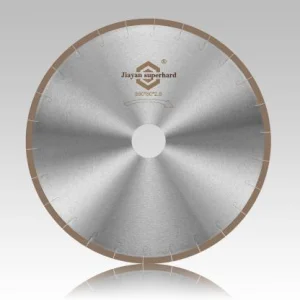
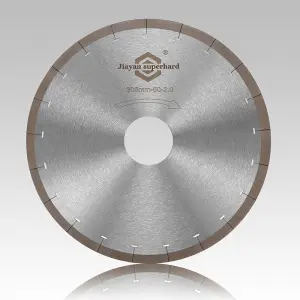
Fast Cutting J Slot Diamond Saw Blade
Custom Super Fast Cutting Segment Rim J Slot Diamond Saw Blade
View Details
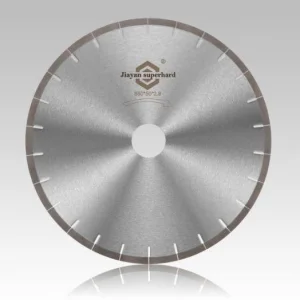
350mm Diamond Saw Blade for Granite
OEM Diamond Saw Blade 350mm Circular Disc for Granite Stone
View Details
350mm Diamond Saw Blade Granite Stone Cutting
350mm Heavy-Duty Diamond Circular Saw Blade for Hard Granite
View Details
Small Size Diamond Cutting Disc
Diamond Cutting Disc — Small Size Precision Series
View Details
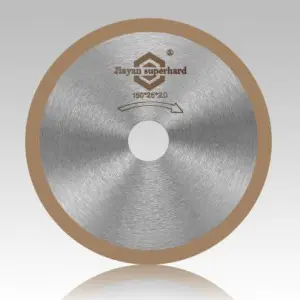
14 Inch Hot Pressed Continuous Diamond Blade
14" Hot-Pressed Continuous Diamond Blade for Ceramic Tile
View Details
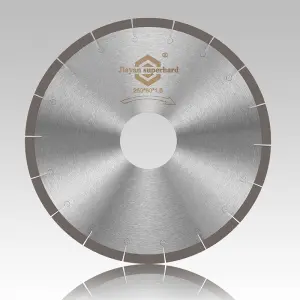
14 Inch Welding Segment Diamond Saw Blade
14" Laser Welded Segment Diamond Blade for Ceramic & Concrete
View Details
Ultra Thin Diamond Segment Cutting Disc
1.0/1.2mm Ultra-Thin Diamond Cutting Disc for Ceramic
View Details

1. Metallurgical Foundations of Laser Welding Diamond Saw Blades

In modern civil engineering, heavy demolition, and industrial stone processing, the transition from conventional silver-brazed diamond blades to high-power laser-welded diamond saw blades represents a crucial shift in operational safety, cutting speed, and structural integrity.

Atomic Diffusion Bonding

Laser welding utilizes a concentrated, high-energy-density fiber laser beam to melt the pre-alloyed transition zone of the diamond segment and the high-strength alloy steel core (typically 65Mn or 50Mn2V) simultaneously. This causes deep-penetration fusion, creating a seamless metallic joint without needing low-melting-point silver solder.

Thermal Resistance & Dry Cutting

Silver-brazed segments rely on brazing alloys that melt between 600°C and 700°C. Under intense dry cutting conditions, friction rapidly elevates joint temperatures past this threshold, leading to catastrophic segment detachment. Laser welded joints maintain metallurgical stability up to 900°C–1000°C, eliminating segment loss hazards.

EN13236 Safety Standard Compliance

International safety standards (such as European standard EN13236) strictly govern diamond cutting tools. Laser welded blades produced by Tier-1 manufacturers achieve joint shear strengths exceeding 600 MPa—far surpassing the minimum torque testing thresholds required for high-RPM handheld saws and floor cutters.

Technical Gain Insight: The bond matrix of a premium laser welded blade features micro-alloyed Cobalt (Co), Nickel (Ni), Iron (Fe), and Tungsten Carbide (WC) powders mixed with high-grade synthetic diamond crystals (such as MBD-8 and MBD-12 grades). The transitional non-diamond base layer prevents thermal degradation of synthetic diamonds during the millisecond laser pulses.

2. Global Commercial Landscape & Regional Demand Analysis

Demand for laser welded diamond saw blades varies significantly across regional markets due to localized construction practices, stone hardness profiles, and environmental safety regulations.

North America

High demand driven by road rehabilitation, highway joint expansion cutting, and airport runway renovation. Heavy focus on 14-inch to 36-inch walk-behind saw blades for green concrete and asphalt cutting with undercut protection features. Rigorous OSHA silica dust regulations drive demand for durable dry-cutting blades paired with integrated vacuum systems.

Europe & UK

Driven by EN13236 compliance standards, low-vibration requirements, and silent-core blades. Key markets include urban renovation, structural concrete wall sawing, and high-density sintered stone slab fabrication. Preference for low-noise sandwich core laser welded blades with narrow keyhole slots.

Middle East & Latin America

Rapid urban infrastructure expansion, dam construction, and natural granite quarrying create demand for cost-effective, long-life 350mm to 1200mm circular saw blades. Buyers prioritize high diamond concentration, aggressive cutting speeds, and high thermal resistance against ambient operating heat.

600+
MPa Joint Weld Strength
45%
Faster Dry Cutting Speed
1000°C
Thermal Resistance Limit
ISO9001
Certified Automated Production

3. China Manufacturing Efficiency & Cluster Ecosystem Advantages

China accounts for over 80% of global diamond tool manufacturing capacity. Manufacturers like JIAYAN Superhard combine complete raw material integration, automated fiber-laser welding cells, and stringent quality assurance to deliver unmatched cost efficiency.

Vertical Raw Material Supply

Proximity to synthetic diamond synthesis hubs in Henan and metal powder refining centers allows direct sourcing of high-purity single-crystal diamonds (HPHT/CVD) and elemental powders (Co, Fe, Ni, Cu, WC), reducing material costs by 15–25% while ensuring consistent batch chemistry.

Robotic Fiber Laser Welding Lines

Modern Chinese factories utilize fully automated 6-axis fiber laser welding stations equipped with IPG/TRUMPF laser sources. Real-time vision alignment ensures sub-millimeter positioning accuracy, uniform beam penetration, and repeatable weld metallurgy across thousands of units daily.

Dynamic Tensioning & Runout Control

Every high-speed blade undergoes automated computer-controlled tensioning and laser-guided runout inspection. This guarantees radial runout values within <0.02mm and axial deviation within <0.03mm, preventing blade wobble, vibration, and uneven segment wear during heavy industrial use.

OEM / ODM Capability: Global buyers can request custom segment geometries (Turbo, Keyhole, U-Slot, Slanted Protection Teeth), tailor metal bond hardness (ranging from HRB 70 to HRB 105), adjust diamond concentration (15% to 45% by volume), and specify branded packaging options.

4. Application Scenarios & Engineering Matrix

Selecting the correct blade geometry and bond formulation depends on the material being cut, power of the saw equipment, and wet/dry operational preferences.

Application Scenario Material Profile Recommended Segment Geometry Bond Matrix Type Cutting Method
Heavy Reinforced Concrete C40-C60 concrete, steel rebar >16mm Slanted T-Tooth / Keyhole Laser Segment Cobalt-Tungsten Soft Bond Wet / Heavy-Duty Dry
Green Concrete Sawing Uncured concrete within 4-12 hrs Deep Undercut Protection + Carbide Pins Hard Bronze-Iron Abrasion Resistant Dry Sawing
Asphalt Road Sawing Highly abrasive aggregate + bitumen U-Slot / Wide Slot Laser Weld Extra-Hard Metallic Bond Dry / Wet Sawing
Hard Granite Quarrying Class I/II Quartz-rich Granite Turbo-Segment / Sandwich Silent Core Medium-Soft Cobalt Rich Bond Continuous Wet Cutting
Sintered Stone & Porcelain Dense, fragile porcelain, Dekton Continuous Rim J-Slot / Mesh Segment Ultra-Fine Micro Alloy Bond Wet High-Precision Cutting

5. Future Trends in Laser Welded Diamond Tooling

Technological shifts in energy efficiency, workplace ergonomics, and material sciences are shaping the next generation of laser welded diamond tools.

1. High-Power Fiber Laser Direct Fusion

Moving from CO2 lasers to high-brilliance Ytterbium fiber lasers allows deeper weld penetration with narrow heat-affected zones (HAZ). This preserves diamond crystal structure adjacent to the weld line and boosts shear strength past 750 MPa.

2. Resin-Damped Sound-Silent Cores

To comply with strict European urban noise restrictions (<85 dBA), core plates now feature laser-etched acoustic resonance damping slots filled with high-viscoelastic polymers or copper foils, reducing cutting noise by up to 12 dB.

3. Smart Telemetry & AI Wear Sensors

Leading industrial cutting setups are experimenting with laser-engraved micro-QR tracking and thermal indicator coatings that inform machine operators when blade temperatures near safety thresholds during intensive dry cutting.

4. Low-Cobalt Eco-Bonds

Driven by raw material price volatility and environmental compliance, research focuses on replacing Cobalt matrices with pre-alloyed Iron-Nickel-Bronze powders. These deliver equivalent diamond retention while lowering ecological impact.

6. Global B2B Procurement Inspection Checklist

When sourcing wholesale laser-welded diamond blades from China, procurement engineers and distributors should evaluate manufacturers using this quality checklist:

A. Metallurgical Inspection

  • Verify zero micro-cracking at the segment-steel core interface using dye-penetrant or optical microscopes.
  • Confirm presence of a diamond-free transition zone at the base of each segment.

B. Mechanical Safety Tests

  • Execute EN13236 torque bending tests to verify shear strength above 600 MPa.
  • Perform high-speed burst spinning tests up to 1.5x maximum operating RPM.

C. Dimensional Precision

  • Check radial runout (<0.02 mm) and axial runout (<0.03 mm) using dial indicators.
  • Confirm exact segment thickness alignment relative to core body thickness (preventing side clearance friction).

7. Frequently Asked Questions (FAQ) for Industrial Buyers

Q1: What is the key structural difference between laser-welded and silver-brazed diamond blades?
Silver-brazed blades use a solder alloy that melts at ~650°C to glue the segment onto the blade body, making them suitable strictly for wet cutting. Laser welding uses a high-power laser beam to fuse the segment's metal base directly with the steel core, creating a solid metallurgical bond capable of withstanding temperatures up to 1000°C. This makes laser-welded blades safer and required for dry cutting.
Q2: Why is undercut protection vital for asphalt and green concrete saw blades?
Abrasive materials like asphalt and green concrete release slurry that wears away the steel core right beneath the welded segment. This core erosion leads to segment loss even if the laser weld remains intact. Undercut protection uses slanted segments or tungsten carbide inserts welded into the steel core to clear slurry and shield the steel body.
Q3: How do I select the right diamond concentration for different materials?
For hard materials (such as quartz-dense granite or heavily reinforced concrete), use a medium to low diamond concentration with a softer metal bond. This exposes fresh sharp diamonds quickly. For soft, highly abrasive materials (asphalt, sandstone, green concrete), use a high diamond concentration with a hard matrix bond to prevent premature diamond loss.
Q4: Can laser welded blades be used for both wet and dry cutting?
Yes. Laser welded blades are engineered for both dry and wet cutting environments. However, applying water during operation prolongs blade life, keeps dust levels low, and accelerates cutting speed by clearing slurry from the kerf.
Q5: What causes a laser welded blade to glaze over or stop cutting?
Blade glazing happens when the metal bond matrix is too hard for the target material. Instead of eroding to expose fresh diamonds, the metal polished over, flattening the diamond points. Glazing can be fixed by dressing the blade—cutting into an abrasive material like soft sandstone or a dressing stone to strip back the metal matrix and expose sharp diamond edges.
Q6: How does JIAYAN Superhard ensure consistency across large wholesale OEM orders?
JIAYAN utilizes automated powder weighing, cold press compacting, vacuum sintering, and robotic 6-axis fiber laser welding lines. Every batch undergoes automated laser runout checks, tensioning calibration, and sample shear testing to maintain uniform density, balance, and weld strength.
Q7: What is the typical lead time and MOQ for custom OEM diamond saw blade manufacturing?
Standard OEM production lead time is 15 to 25 days depending on blade diameter, custom laser slotting, and branding specifications. Minimum order quantities (MOQ) start as low as 50 to 100 units for standard sizes (e.g., 350mm/14 inch), allowing distributors to sample custom formulations efficiently.
Q8: How does steel core tensioning affect saw blade performance?
Proper tensioning builds residual stress into the steel core plate, allowing it to remain flat and run true when centrifugal forces and thermal expansion occur during high-RPM spinning. Incorrectly tensioned blades will wobble, produce uneven cuts, glaze prematurely, or cause dangerous vibration.

Complete Product Catalogue Showcase

Browse our complete range of certified diamond circular saw blades, ultra-thin cutting discs, and heavy-duty stone cutting segments available for global OEM supply.

14 Inch Diamond Saw Blade for Sintered Stone
Best 14 Inch Diamond Saw Blades Specialized for SINTERED STONE 260-350mm
View Details
Fast Cutting J Slot Diamond Saw Blade
Custom Super Fast Cutting Segment Rim J Slot Diamond Saw Blade
View Details
350mm Diamond Saw Blade for Granite
OEM Diamond Saw Blade 350mm Circular Disc for Cut Granite Stone
View Details
350mm Diamond Saw Blade Granite Stone Cutting
350mm Heavy-Duty Diamond Circular Saw Blade for Hard Granite
View Details
Small Size Diamond Cutting Disc
Diamond Cutting Disc — Small Size Precision Series
View Details
14 Inch Hot Pressed Continuous Diamond Blade
14" Hot-Pressed Continuous Diamond Blade for Ceramic Tile
View Details
14 Inch Welding Segment Diamond Saw Blade
14" Laser Welded Segment Diamond Blade for Ceramic & Concrete
View Details
Ultra Thin Diamond Segment Cutting Disc
1.0/1.2mm Ultra-Thin Diamond Cutting Disc for Ceramic
View Details

JIAYAN Superhard Tools — OEM & Wholesale Manufacturer

Founded in Wuhu, China, JIAYAN Superhard Materials Co., Ltd. is a recognized industry leader in high-performance diamond tool manufacturing. As an official member of the China Superhard Material Association, we specialize in high-frequency laser welded diamond saw blades, ultra-thin sintered discs, and diamond segments engineered for global B2B buyers.

Serving over 50 countries across Europe, North America, the Middle East, and Southeast Asia, JIAYAN provides end-to-end OEM and ODM support, custom matrix development, low MOQs, and reliable export logistics.

Official Social Channels: Facebook YouTube LinkedIn
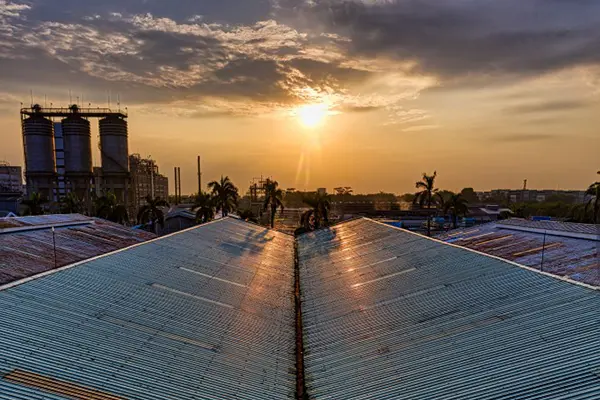
JIAYAN Diamond Tool Manufacturing Facility
JIAYAN Automated Laser Welding Workshop